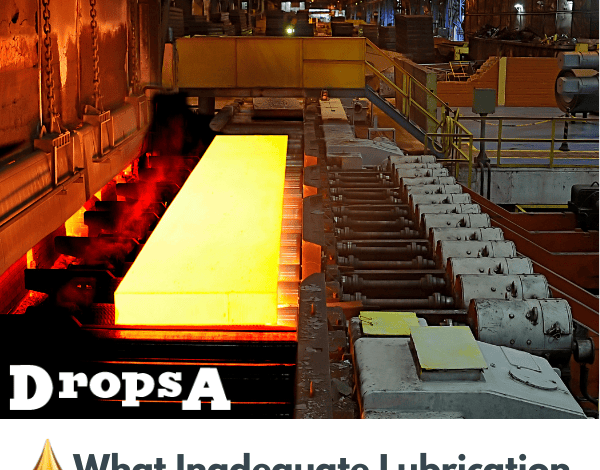
What Inadequate Lubrication Costs Steel Mills
Steel mills run the global manufacturing industry. Learn why effective lubrication helps keep steel mills running, and why inadequate lubrication is costly.
Continue reading... Steel mills run the global manufacturing industry. Learn why effective lubrication helps keep steel mills running, and why inadequate lubrication is costly.
Continue reading...
Learn how to identify signs of lubricant contamination, how to flush contaminated lubricant, and proven contamination prevention methods.
Continue reading...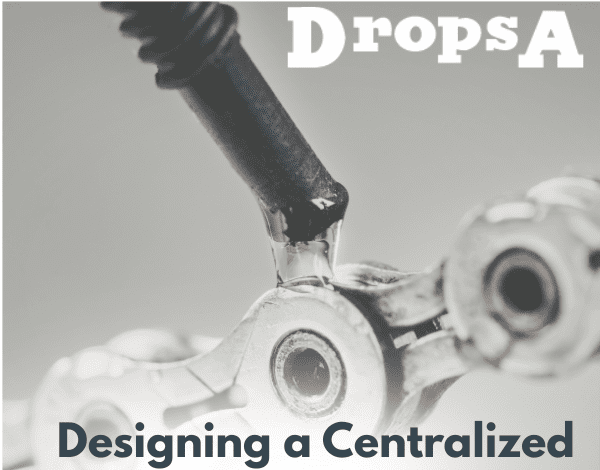
Centralized lubrication systems can help extend equipment life, but only if it’s designed right. Learn more about the factors to consider when designing yours.
Continue reading...
Follower plates can be essential to use in electric grease pump systems using thick, NLGI Grade 2 grease. Learn more.
Continue reading...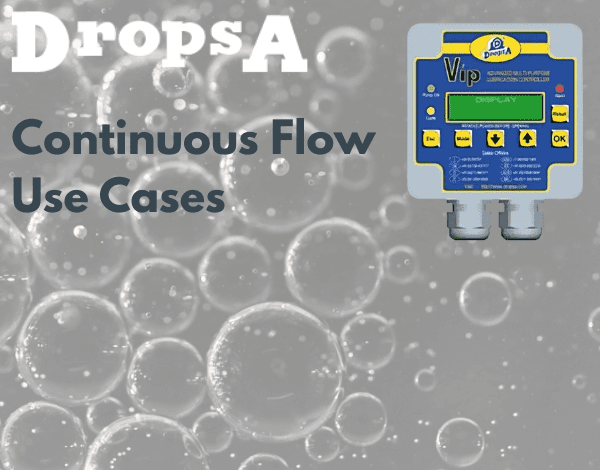
Should you use a controller with flow mode? Learn more about the benefits and use cases of flow mode for continuous monitoring.
Continue reading...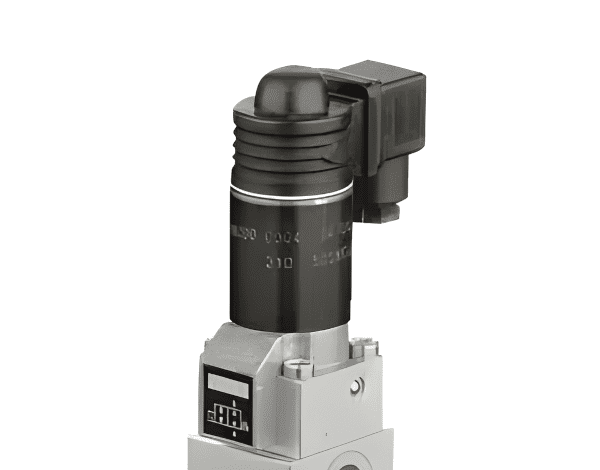
This article explores the maintenance advantages of modular divider valves over solid block designs.
Continue reading...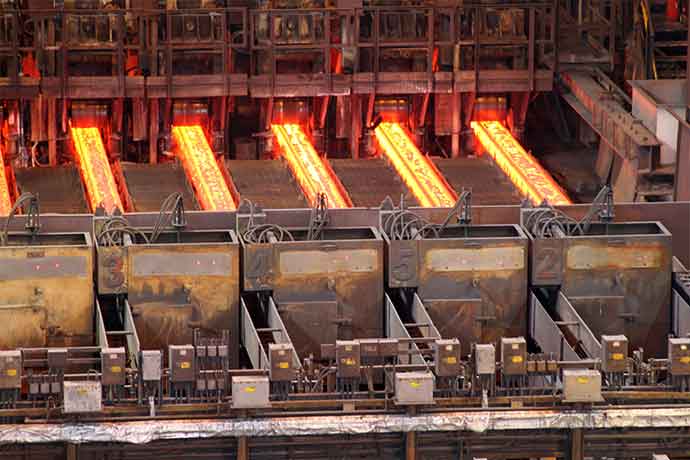
Oil systems do have some use cases, but air-oil systems, in general, are better and safer to use. Learn more in this article.
Continue reading...
Methanol injection is the most common way to prevent hydrate blockages, but determining the most optimal injection rate can be challenging.
Continue reading...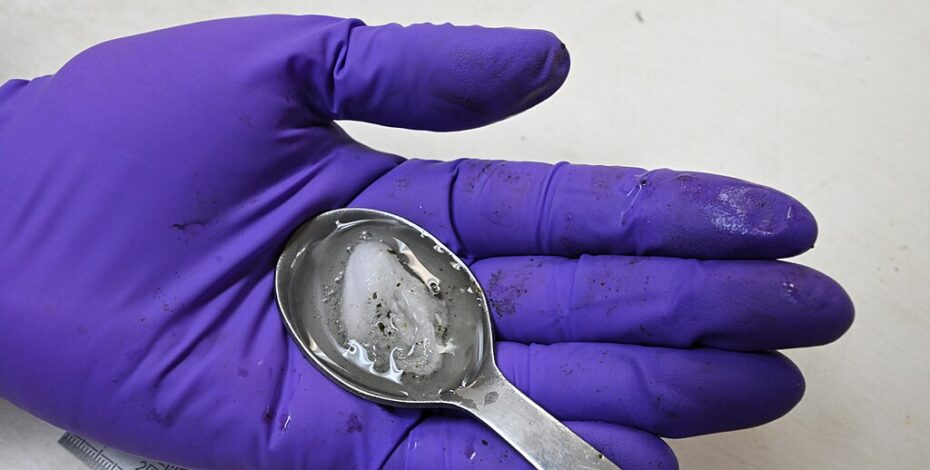
Hydrate formation can do considerable damage to pipelines. Learn more about three hydrate formation prevention methods.
Continue reading...
No lubrication isn’t an option, but MQL is the next best thing. Learn more about what it is and how it can help overcome manufacturing challenges.
Continue reading...