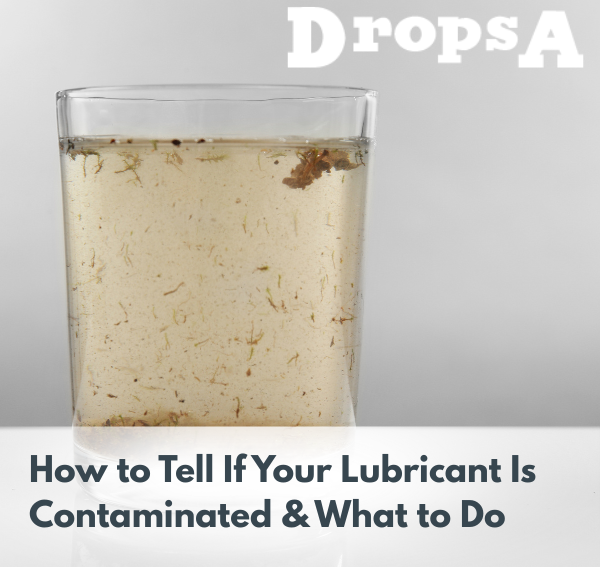
Contamination (solid particles or liquids) shortens equipment life, leading to expensive, premature replacements. Many contaminants break down the lubricating properties over time, creating varnish or sludge and increasing the risk of damaging metal-on-metal contact.
Given the possible consequences of using contaminated lubricant, prevention in the form of regular inspections is always the best approach. When you’re performing these routine inspections, look out for these tell-tale signs:
The Lubricant Is Cloudy
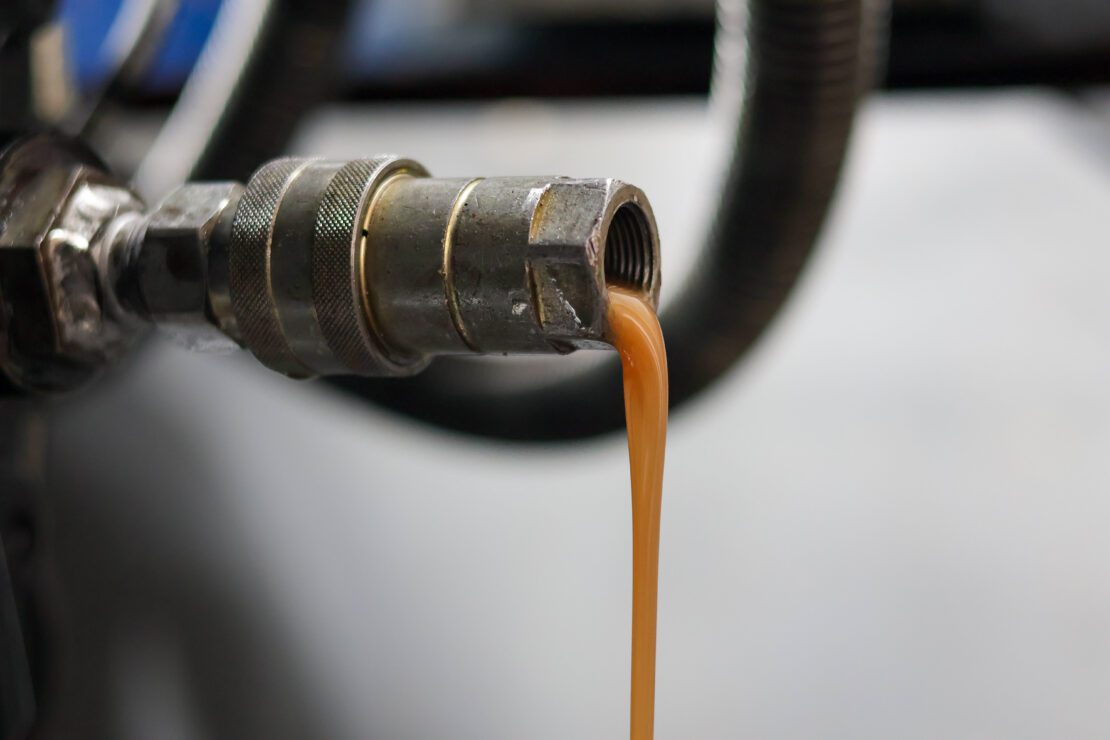
If oil takes on a milky or cloudy appearance, that’s a clear sign that it’s been contaminated with water. Yes, sometimes oil floats on water, but in a lubricating system, the constant movement often mixes the two and can even create a foam.
There are several paths that allow water and oil to mix, including:
- Temperature changes that cause condensation
- Cleaning with high-pressure jets, which can push water past seals
- Wiping down surfaces with a damp cloth (although not as common)
If water contamination is suspected, the easiest way to find out for sure is the hot plate or crackle test. To perform this test, drop a little oil onto a plate heated to at least 275°F. If water is present, it will immediately spit and crackle as it boils.
The Lubricant Smells Sour or Burnt
An experienced maintenance or lubrication technician will always sniff the oil on a dipstick because a bad smell is a powerful indicator of contamination.
A sour or acidic smell suggests the oil is oxidized, while a burnt smell implies it has undergone thermal breakdown. Both oxidation and thermal breakdown result from high temperature/overheating.
There Are Floating Particles
Solid particles can cause rapid wear of bearing and gear surfaces, and may damage seals. You can identify floating particles by placing a small sample of the lubricant in a small glass jar and shining a light through it.
Particles are usually the result of wear within the lubricating system, but could also be dirt that has entered the system from outside, either through the reservoir, due to a lack of cleaning, or by not following good oil handling practices.
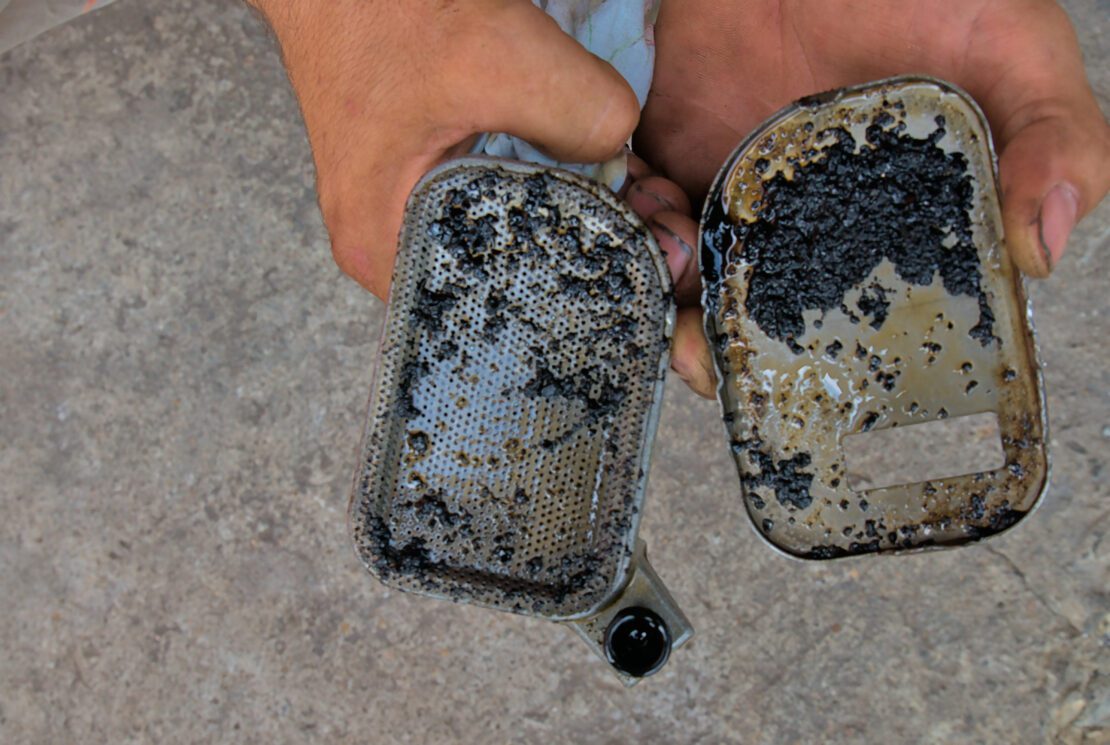
Two additional sources of solid particle contamination are corrosion and oxidation. Corrosion can result from water entering the system, and may lead to particles separating from metal surfaces. Oxidation can form varnish and sludge particles that may settle in low-flow areas and reduce overall system effectiveness.
The Lubricant Is Separating
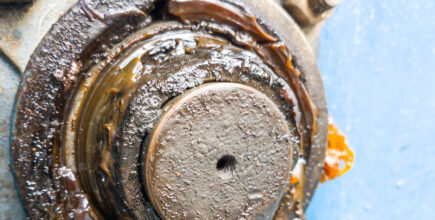
A sample of oil taken from the system can sometimes appear to settle into layers. Possible causes are water contamination, chemical contamination, and mixing of different lubricants. Grease can also separate due to mechanical shear, in which case a different grade might be needed. For oil, the lubrication oil may bleed away from the thickeners, leaving a solid mass around the journal or bearing that does not protect against friction and wear.
The Effects of Contaminated Lubricant
Lubricating oils and greases are intended to create a smooth film between surfaces that move against one another and, secondarily, to prevent dirt intrusion and overheating.
- Surface Scratches: When you put particulates into a lubricant, it acts more like sandpaper, causing microscopic surface scratches and increasing friction.
- Accelerated Surface Wear/Quality Issues: Even if the contamination isn’t caused by solid particles, it still increases the rate of surface wear, possibly introducing solid particles that accelerate erosion. Fixing contamination issues by increasing clearances impacts process and product variability, leading to quality issues.
- Energy Costs & Process Changes: Increased friction also raises energy costs and generates more heat. In large industrial equipment, this can significantly increase operating costs, and the temperature increase can affect how processes are performed.
- Corrosion Risk: Liquid contaminants and oxidation lead to corrosion and the development of varnish and sludge. Corrosion erodes surfaces and generates particles that increase wear rates, while varnish coats surfaces and increases friction, narrows galleries, and reduces lubricant flow rates.
The bottom line is this: Any contamination in lubricants impairs operating conditions and will worsen quickly in a short period, eventually leading to premature failure in industrial equipment.
Fixing Contamination
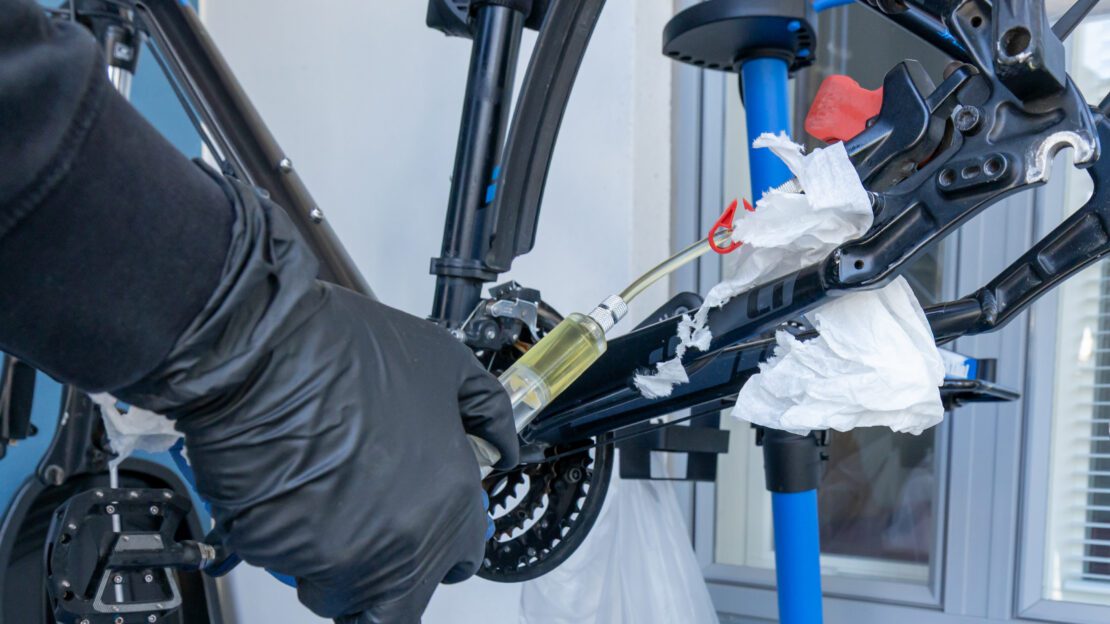
If a lubricant is found to be contaminated, it should be removed from the equipment immediately with a full system flush, performed in accordance with the equipment manufacturer’s recommendations. If these are not available, the main steps are:
- Get equipment up to operating temperature, drain oil, and replace filters.
- Wipe accessible surfaces clean with lint-free cloths.
- Hook up a flushing skid with high-efficiency filters and a higher-capacity pump to bypass the internal pumps.
- Pump hot flushing oil through the system at the highest possible flow rates.
- Flush circuits separately, if possible, to maximize flow rates.
- Reverse flow, if possible.
- Monitor contamination levels.
- Replace the flushing oil with clean oil, then repeat the flushing process until the target cleanliness levels are achieved.
Always comply with applicable laws and regulations when disposing of contaminated oil and grease.
Preventing Future Contamination
Filters
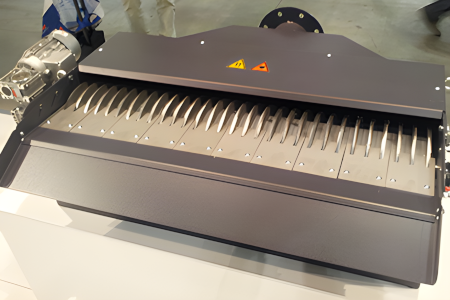
Always use high-quality, manufacturer-recommended filters in a lubrication system, and replace them frequently. Look for filters specified in terms of the Beta Ratio (β) from ISO 16889 rather than micron sizes. Additionally, consider periodically using offline kidney-loop filtration systems to clean the oil in the reservoir.
Desiccant Breathers
The headspace between the top of the oil and the reservoir cover is responsible for a significant amount of contamination. Keep the cover clean, ensure seals are intact, and most importantly, use desiccant breathers. These absorb moisture from air drawn into the headspace, reducing condensation and slowing the rate at which water enters the oil.
Dedicated Pumps & Hoses
Don’t use the same pumps and hoses for multiple filling jobs, as it introduces the risk of mixing lubricant types, and if contamination enters the system, it will quickly be transferred between multiple pieces of equipment. Instead, dedicate pumps and hoses to specific lubricants for individual machines.
Sealed & Labeled Pumps & Hoses
All containers used to store lubricating fluids must be completely sealed to prevent moisture from entering and to reduce oxidation. Ensure hoses and pumps are clearly labeled, so that technicians know what oil should be used with each hose and pump.
Storage Disciplines
Keep lubricants in the original, manufacturer-supplied packaging. Store them out of sunlight and in a place with little temperature variation.
Seal & Wipe Replacement
Damaged seals and wipers will allow dirt and water to infiltrate the lubrication system. To prevent this, replace these machine components as soon as they show any signs of damage or deterioration.
Maintenance Checks
Every lubrication system should be subjected to periodic inspections, and these should be scheduled in your maintenance management system. During the inspection, look for leaks, equipment damage, and performance issues. Also ensure surface and grease fittings are cleaned.
DropsA Can Help You Prevent Contamination
Lubrication maximizes equipment life, reduces energy costs, and supports high levels of product quality, but it must be done correctly. Using the wrong lubricant, not maintaining the lubrication system correctly, or allowing contaminated lubricant to remain in place will inevitably lead to equipment problems.
At DropsA, we help our customers design, implement, and maintain reliable, high-performance industrial lubrication systems. We carry an extensive range of lubrication components, including filtration options and advanced monitoring sensors, can supply complete lubrication systems, and offer training and maintenance services that include routine inspections.
Visit our website to learn more about our services and in-house capabilities, or contact us today to speak with a DropsA NA representative.