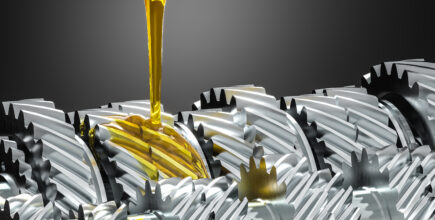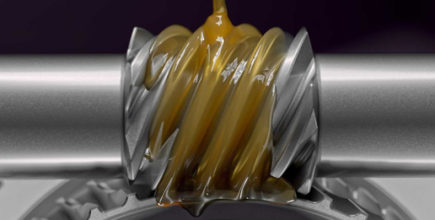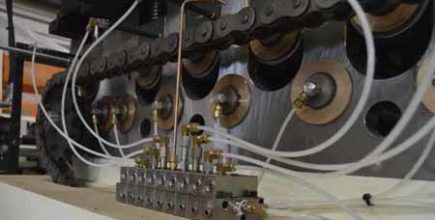
Oil mist lubrication systems use an aerosol of microscopic particles that strikes and coalesces on moving metal surfaces to form a thin lubricating film. In comparison, air-oil systems use compressed air to deliver small oil droplets to a specific location.
While oil systems do have use cases, air-oil systems can provide unique benefits over oil systems, including:
They Use Less Oil
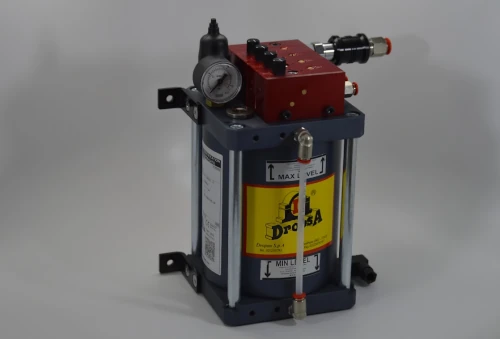
Air-oil and oil mist both use far less oil than recirculating lubrication systems, but only in air-oil is the lubricant delivered to exactly where it’s needed. In an oil mist system, the aerosol surrounds the bearings or other parts being lubricated, but deposition occurs only as a function of air flow within the enclosure, and the system is designed to be lossy. Accordingly, a benefit of air-oil systems is significantly lower oil consumption.
They Offer Better Precision
Because air-oil systems use an air deposition method, they’re more controllable than oil mist systems and provide better precision in terms of lubrication delivered. Air-oil systems ensure moving surfaces receive sufficient, but not excessive, oil delivery, eliminating the risk of metal-to-metal contact and wear while also lowering consumption and reducing waste.
They Don’t Produce Hazardous Mist
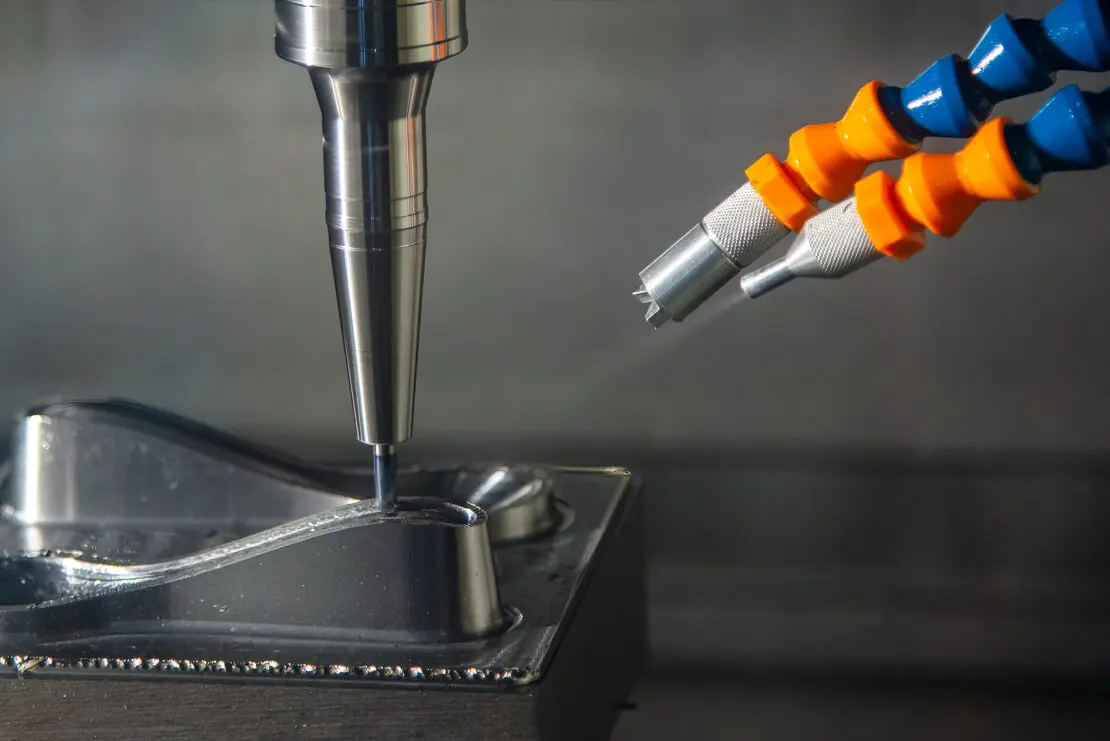
Aerosolized oil is extremely hazardous to human health. It can penetrate deep into the lungs and cause many health issues, including heart irregularities, skin issues, and, in some cases, death from suffocation.
Protecting employees against oil mist requires sealed enclosures and extraction and filtration systems, which add installation and operating costs and can extend the time needed for machinery maintenance tasks.
They Work Better for High-Speed Applications
High-speed applications are often described by their DN number. D is the bearing bore in millimeters, while N is spindle rpm. As a rough guide, oil mist lubrication is effective up to DN 500,000, while air-oil is effective from DN 300,000 to 1 million. Air-oil is a more effective lubrication technology for high-speed spindles and similar equipment because its air transport system carries lubricant through the boundary layer and onto the moving surface, and centrifugal force can be used to aid oil deposition.
They Are Better for Your Environment
Airborne particles can cause emissions problems. There’s also the risk of spills and carryover leaching into soil. Because air-oil lubrication systems are not designed to be lossy, they don’t have these issues. These systems also don’t create slip hazards or require cleanup that oil mist systems do. Additionally, air-oil systems don’t require fume extraction systems, making maintenance easier.
Is There a Use Case for Oil Systems?
Absolutely. Oil mist systems are often implemented as a way of providing lubrication to multiple locations across process machinery or within a plant. Comparatively, air-oil systems are implemented on specific machines and used to provide controlled lubrication to specific locations, such as spindles.
Find an Air-Oil System
DropsA is an industrial lubrication manufacturer specializing in grease, MQL, and recirculating technologies. Our team can help you find the right lubrication system for your plant, whether that’s an air-oil or grease system. Our experts can also provide installation assistance, training for your operators, and ongoing support and maintenance as needed.
If you are interested in purchasing an air-oil system, we offer several types, including the VIP4, SMX, and SBO, all engineered to meet demanding lubrication requirements. Visit our website to learn more about these products, or contact us today to schedule a consultation with one of our product specialists.