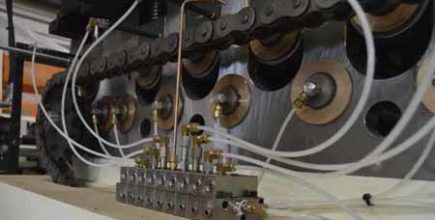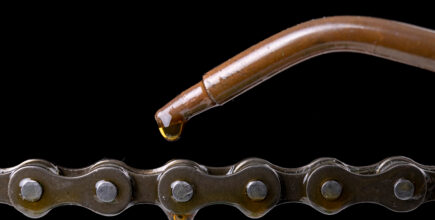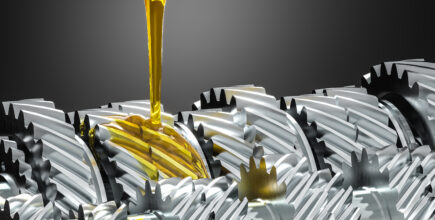
Modern industrial equipment requires lubrication at different points, and a centralized lubrication system is one solution to achieving this. “Centralized” in this context can mean a system that lubricates a complete machine or one that delivers lubricant spread across a large area.
There are a variety of ways a centralized system can be configured, but any design will take one of two approaches: a total loss, where lubricant is distributed and applied, but then lost, or circulation, which returns the fluid back to a reservoir. Air/oil systems and most grease lubrication systems use the total loss approach, while many machine tools use a recirculation system.
Your lubrication system should be designed around your application, focusing on:
- What needs to be lubricated
- How many points need to be lubricated
- What type of lubricant is being used
- What are the characteristics, primarily viscosity, of the lubricant
- Required flow
What Needs Lubricating & Where?
The number and location of lubrication points determine the total lubricant flow and the length of the pipes needed. Oil lubrication systems follow either a single or multi-line design approach.
A single-line system has a single pipe from the pump, which splits into branches that run to each point requiring lubricant. Flow through each branch can be managed by a restriction at each orifice. These restrictions are sized to optimize back pressure and flow, so each point receives the amount of lubricant needed.
In a multi-line system, multiple pipes run from the pump to the lubrication points. In general, this design is used for smaller systems; larger lubrication systems often follow the single-line approach.
Less often, a dual-line format, in which two pipes deliver lubricant to two different locations, might be selected, though this is more common for grease lubrication.
What Is the Size of the Machinery or Equipment?
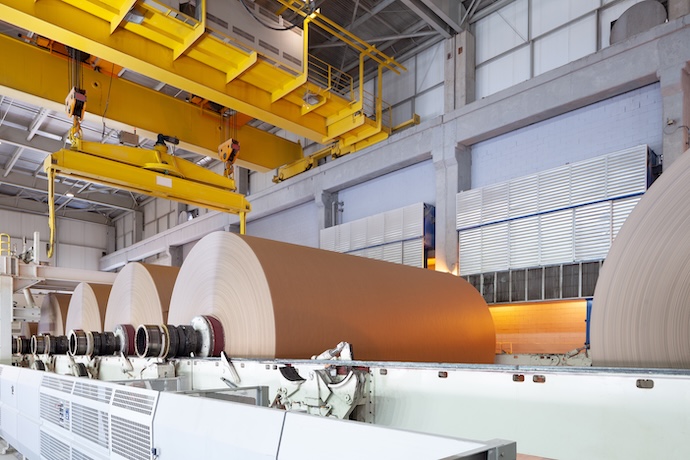
A centralized lubrication system can cover a single machine or an entire plant. Larger systems need longer lines, and pipe diameter and pressure increase with the required flow rate.
A small system has shorter pipe runs and flows, and lower pressures, but some smaller systems may use gravity feed, with the reservoir mounted above the equipment rather than a pump.
What Type of Lubricant Are Using?
Total loss lubrication systems typically serve components using grease lubrication and may use a dual-line approach to protect against blockages. Most grease systems use NLGI 2 grease, although for longer runs, a lower-viscosity NLGI 1 might be preferred.
In oil lubrication systems, more viscous oils require higher pump pressure, and often, larger-diameter pipes. Many machine tool lubrication systems use ISO VG 32 or ISO VG 68 way oil.
How Much Lubrication Is Needed?
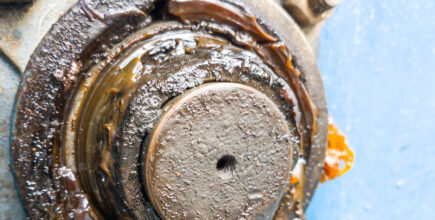
Both over-lubrication and under-lubrication are serious problems that result in equipment damage. When designing a centralized system, determine the quantity of lubricant each point needs. Understanding how much is needed at each point will then help you determine the required pump capacity, line size, and metering device.
How Often Is Lubrication Needed?
Many components, including rolling element bearings, only need intermittent lubrication because the lubricant coats the surfaces and is consumed slowly.
In some situations, such as when lubricating plain or journal bearings, an oil film must be maintained at all times. In these cases, continuous lubrication may be preferred. Continuous lubrication is also ideal for some high-speed applications when temperature control is critical.
What Are Your Environmental Requirements?
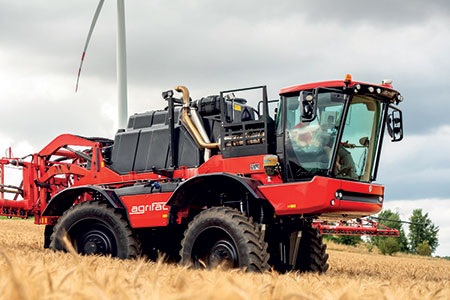
Temperature and contamination risks are top environmental concerns, closely followed by vibration, altitude, and location.
With many lubricants, viscosity varies significantly with temperature. Accordingly, a system intended for use in low temperatures must be designed for higher viscosities than a system installed into a hot environment.
Contamination risks can be dry and wet. Dry contamination includes dust and grit, while wet contamination can include both water, as might be experienced during washdown, and aggressive chemicals.
Vibration can affect the operation of valves and injectors. High altitude can exacerbate problems like fluid cavitation.
Another environmental consideration is location. For example, systems used in food processing or pharmaceutical production must meet strict requirements to avoid product contamination, while systems installed in remote or inaccessible places must be capable of operating for extended periods without operator intervention and may need to incorporate extensive monitoring technologies.
What Are Your Pressure Requirements?
Systems with longer runs and more lubrication points often run at higher pressures. Higher-viscosity lubricants also require more pressure to ensure a seamless flow. Pressure affects pipe material selection and the type of pump used. High-pressure systems will typically be manufactured with piston pumps, while lower-pressure systems frequently rely on gear or vane pumps.
Need Help Designing Your Lubrication System?
A centralized lubrication system can help prevent over- and/or-under lubrication, prevent unplanned breakdowns, and extend asset life, but only if it’s designed and installed correctly.
DropsA NA is a leading manufacturer of industrial lubrication systems; we frequently help businesses across North America design, install, and maintain lubrication systems. We have over three decades of experience customizing a wide range of grease, oil, air/oil, and MQL-type systems. Visit our website to learn more about our solutions, or contact us today to get started with a project analysis or design consultation.