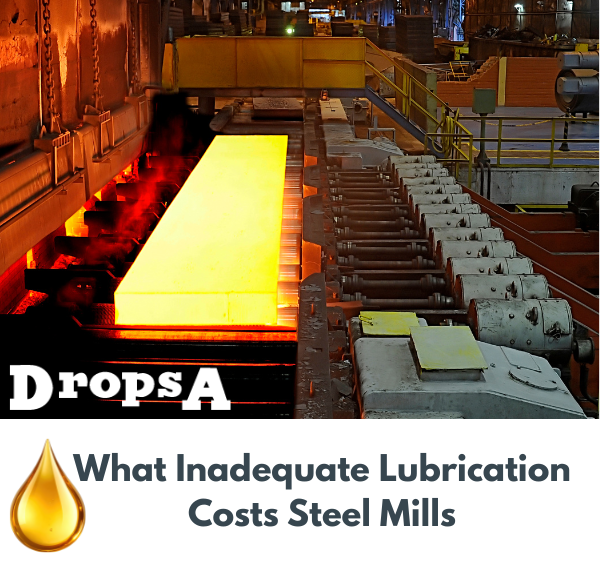
Steel quality doesn’t just affect mills. Steel mill productivity and quality have far-reaching consequences for construction projects, automobile manufacturing, and transportation equipment.
Because steel mill processes run almost 24/7, any disruption is costly, and lubrication plays a vital role in maintaining steady-state operations.
Lubrication in Steel Mills
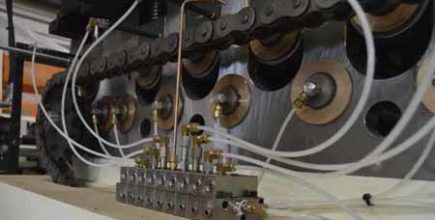
Steel mill machinery is large, complex, and spread over a wide area. Many lubrication points are inaccessible, and equipment components are exposed to harsh conditions, including high temperatures, loads, and pressures, as well as water spray, steam, shock, and vibration.
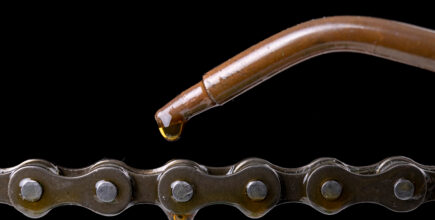
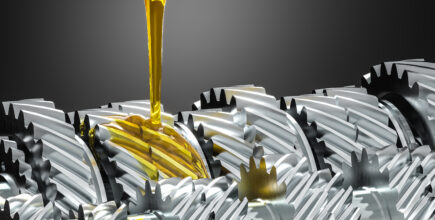
Lubrication helps avoid machinery problems, extends component lifetimes, and supports higher quality and productivity, but it must be done right because over-lubrication and under-lubrication can negatively impact production, leading to:
Unplanned Downtime
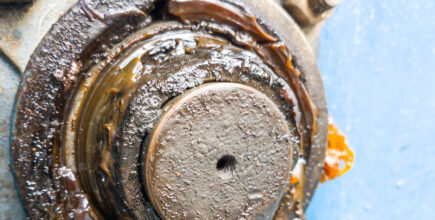
Too much lubrication can blow out seals and contaminate components, such as motors, but too little lubricant can result in metal-to-metal contact.
All these issues result in premature component failure, and are usually dealt with by shutting down the machine and contacting maintenance. In a continuous operation like a steel mill, this kind of unplanned downtime is extremely expensive, sometimes exceeding tens of thousands of dollars per hour.
Unplanned downtime is a problem for three reasons:
- Some equipment must be run down and emptied before it can be stopped, which results in a lot of waste.
- It takes time to diagnose the problem, obtain the parts, make the repair, test the equipment, and then restart production.
- Even after restarting, mills have to stabilize production conditions and restore quality levels.
Rising Energy Consumption
Insufficient lubrication increases friction, which makes motors work harder and run hotter, increasing energy consumption. Additionally, increased friction may require more heat removal from lubrication systems, and adding chillers is another source of energy consumption.
Less significant, but still contributing to increased energy costs, are blocked filters caused by contaminated lubricant or overlong replacement intervals. Blocked filters increase pump loads, causing the motor to draw more current and run hotter.
Increased Equipment & Part Replacements
Under- and over-lubrication cause parts to wear out faster, with bearings often being the first to fail due to their L10 lifespan. Although bearings are a known wear component and steel mills practicing good inventory management will have replacement spares, there are other components, including motors and couplings, that are impacted by poor lubrication and are more expensive to replace.
Increased Equipment Repair Costs
Sending technicians to diagnose and resolve problems caused by inadequate lubrication pulls them away from planned and preventive maintenance work. Routine tasks, such as inspections and adjustments that protect equipment, are delayed and can lead to increased wear and shortened lifespans.
Overtime working is often used to tackle a rising backlog of outstanding work orders, but it’s an additional expense. Plus, if inadequate lubrication becomes widespread, there may not be enough resources to prevent the problem from growing.
Supply Chain Disruption & Reputation
Modern steel mills are designed for continuous production, and any unplanned downtime will delay output. When the schedule assumes 24/7 operation, there’s no room for overtime working to catch up with late shipments.
Accordingly, there’s a high risk of lubrication problems leading to dissatisfied customers, which may be addressed through discounts, rebates, and express shipping, but there’s also the longer-term problem of gaining a reputation for being an unreliable supply partner, which will inevitably lead to dropped customers and profit loss.
Find Lubrication & Maintenance Solutions at DropsA
Effective lubrication is vital for avoiding disruptive and costly problems in steel mills, but it’s not easy to achieve, especially in large and complex operations where each lubrication point requires a different type or volume of lubricant.
DropsA has decades of experience helping steel mills develop better lubrication solutions. We supply products for heavy-duty applications, like the Sumo II and Mini-Sumo II electric pumps, engineer custom oil and grease lubrication systems, and provide ongoing consulting, support, and maintenance services.
Whether you work in the steel industry or anywhere else with heavy-duty lubrication challenges, we have the products and expertise to help. Contact us today to schedule a consultation, get same-day product assistance, or request more information about our services.