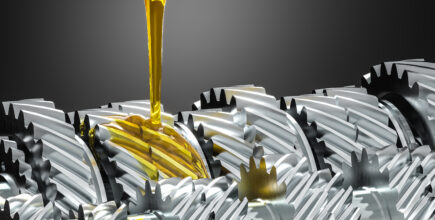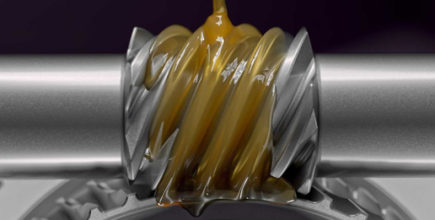

If lubrication were unnecessary, no one would do it. It’s messy, it can be expensive, and it can cause contamination if it’s not well-maintained. The challenge is that manufacturers can’t skip lubrication. It’s a necessary maintenance step that helps prevent catastrophic machine failure.
When “no lubrication” isn’t an option, MQL is the next best thing.
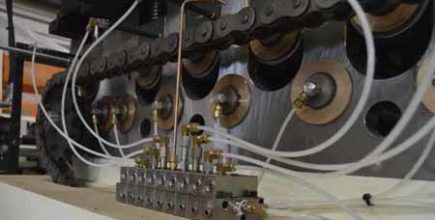
MQL, or minimum quantity lubrication, is an approach that uses the least amount of lubricant possible. MQL systems work by using compressed air to atomize and move oil, transporting it only where it needs to go. This controlled deposition provides the friction reduction needed, but leaves almost no residue behind.
While minimum quantity lubrication requires specialized equipment, it can help you overcome these common challenges:
Staying Compliant With Regulations
Cutting fluids and lubricants create two environmental/health and safety problems: 1) They cover scrap material and cutting chips, and 2) They can become airborne. The first makes it difficult to recycle or dispose of the scrap, and the second creates potentially serious health problems in the plant, especially around the machine tools.
Fortunately, several regulations exist to prevent these issues. However, complying with them takes time and involves some expense.
MQL lubrication addresses both waste disposal and worker exposure problems.
In metal cutting, it applies just a trace of fluid right at the tool, just enough to lubricate the process. The resulting chips have almost no fluid on them, making them much easier to recycle or otherwise dispose of. The same applies in metal forming operations like stamping and bending.
Likewise, trace application means there’s no splashing and spraying of fluids, which is how particles become airborne. And, virtually no vapors are created by the heat of metal removal. Those benefits keep the air fresher and can eliminate mask-wearing requirements.
Reducing Operating Costs
Operator masks can become a significant cost, which MQL helps avoid. It also impacts fluid and energy consumption, cutting tools, and yes, waste disposal.
An MQL system applies just a few ounces of fluid per hour versus the gallons used in a conventional metal cutting or forming setup. Although MQL requires specialized fluids with particular viscosities and wetting behaviors, it can still help manufacturers save hundreds of dollars per month per machine.
What’s more, cutting tools last longer with MQL. This is because conditions at the cutting point remain more stable, eliminating the temperature fluctuations that accelerate micro-cracking and tool wear.
MQL also reduces friction more than standard flood-style cooling can do, which in turn lowers costly energy consumption on busy machine tools.
And last, waste disposal becomes easier and less expensive, both inside the plant and outside. Internally, there’s no mess to clean up, and externally, rather than paying to get rid of material, it may actually have some value.
Preventing Contamination & Buildup
Oil sticks, and that’s an important aspect of lubrication, but at the same time, it can become contaminated, stain surfaces, and turn into ridges and mounds. Over time, this can reduce the system’s effectiveness and eventually lead to defective operations and even breakdowns..
With less oil dispensed, there’s less contamination and buildup, and surfaces don’t get stained as quickly. That reduces cleanup and helps avoid maintenance problems.
Reducing Downtime & Maintenance Needs
Longer tool life, combined with far less surface buildup, means fewer stops and less maintenance work, which allows for longer periods between routine planned inspections and servicing. Less frequent maintenance is cost saving, but for most manufacturers, the bigger win is higher availability.
Higher availability shows up in OEE numbers. It can reduce overtime working, help avoid production schedule disruptions, and increase capacity. It can even let a business take on more work.
Shortening Lead Times
Dealing with the lubrication cleanup in traditional flood lubricant systems extends production lead time in two ways: machine changeovers and cleanup.
The fluid left on the machine bed, clamps, fixtures, and other areas has to be drained and cleaned up. This cleanup adds a significant amount of time to machine changeover, and in small-quantity production, that also slows the rate at which batches move through the shop.
Parts will also need to be cleaned because they’ll become covered in cutting fluids and lubricants. More specifically, holes and cavities get filled, which, if not removed, can make the parts slippery to mount at the next operation. Fluid can also drip onto pallets and the plant floor, all of which need cleaning to prevent accidents. As with longer changeovers, this also slows the rate at which orders pass through the plant.
The bottom line is that replacing traditional flood lubrication systems with MQL can reduce lead time. That means less material on the plant floor, less cash tied up, getting paid faster, and happier customers.
Who Benefits the Most From MQL?

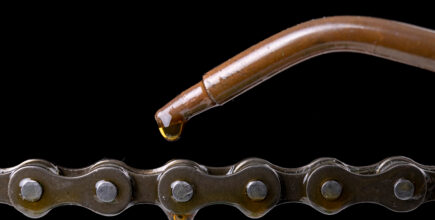
Minimum quantity lubrication is used primarily to dramatically reduce the amount of cutting fluid used during machining operations, which is sometimes called “near dry machining.” However, it can also be used to lubricate metal sheets before forming operations, such as stamping and deep drawing, and to oil machine parts in ways that reduce waste and oil consumption. Chains and guides are also good candidates for MQL.
Learn How You Could Benefit From MQL
DropsA North America is committed to supporting our customers by selling a wide range of lubrication systems and accessories, including MQL, and by offering education, training, and on-site support and maintenance to plants across the country.
Visit our website to view our MQL systems, or contact us today to speak directly with an expert. We’re here to answer your questions!