
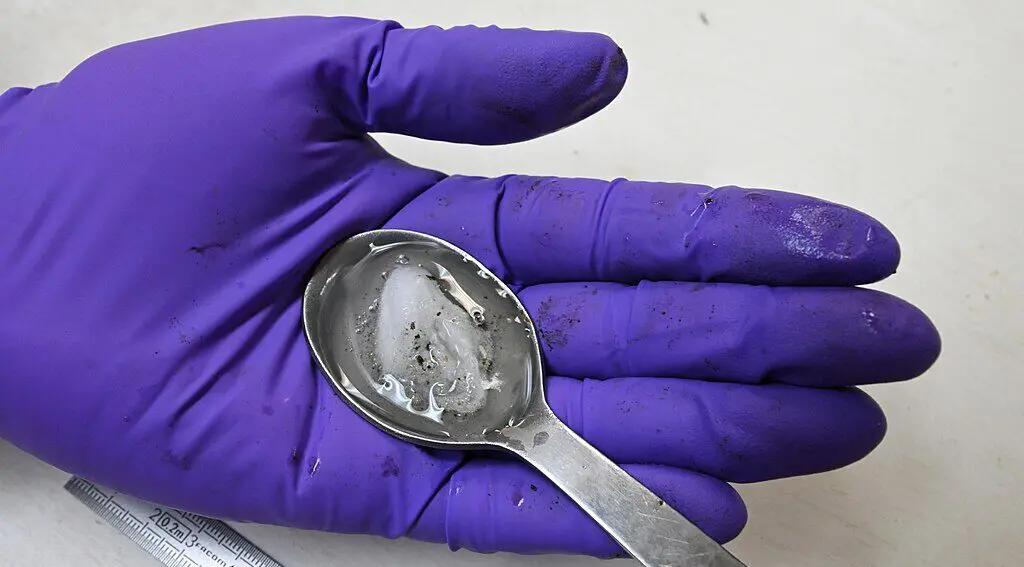
Though often described as ice plugs, hydrates are crystals that form when liquid water is in the same environment as gases like methane and ethane, and when impurities like rust are present. Crystallization depends on temperature and pressure conditions, so hydrates often form at locations in a pipeline where there are pressure drops or cool spots.
Once formed, a hydrate blockage can be difficult to remove safely. For this reason, it’s always better to prevent hydrates from forming in gas equipment in the first place.
Dangers of Hydrate Formation
Hydrates will start to form around anything that causes a disturbance in the gas flow. Once formation has begun, the crystals cause a pressure drop in the pipe, accelerating growth and, in turn, cutting flow rates and reducing output.
In most cases, hydrate formation will quickly lead to complete blockage and shutdown. Even if gas delivery is stopped, with high pressure on one side and low pressure on the other, any attempt to remove it risks sending a solid block of hydrate flying through the pipe. This can rupture the pipe at bends or, if allowed to fly free, injure anyone who gets struck by it. Careful depressurization and melting are usually the best options, but this can be difficult to achieve safely if multiple hydrate plugs have formed.
Prevention Methods
Line Heaters
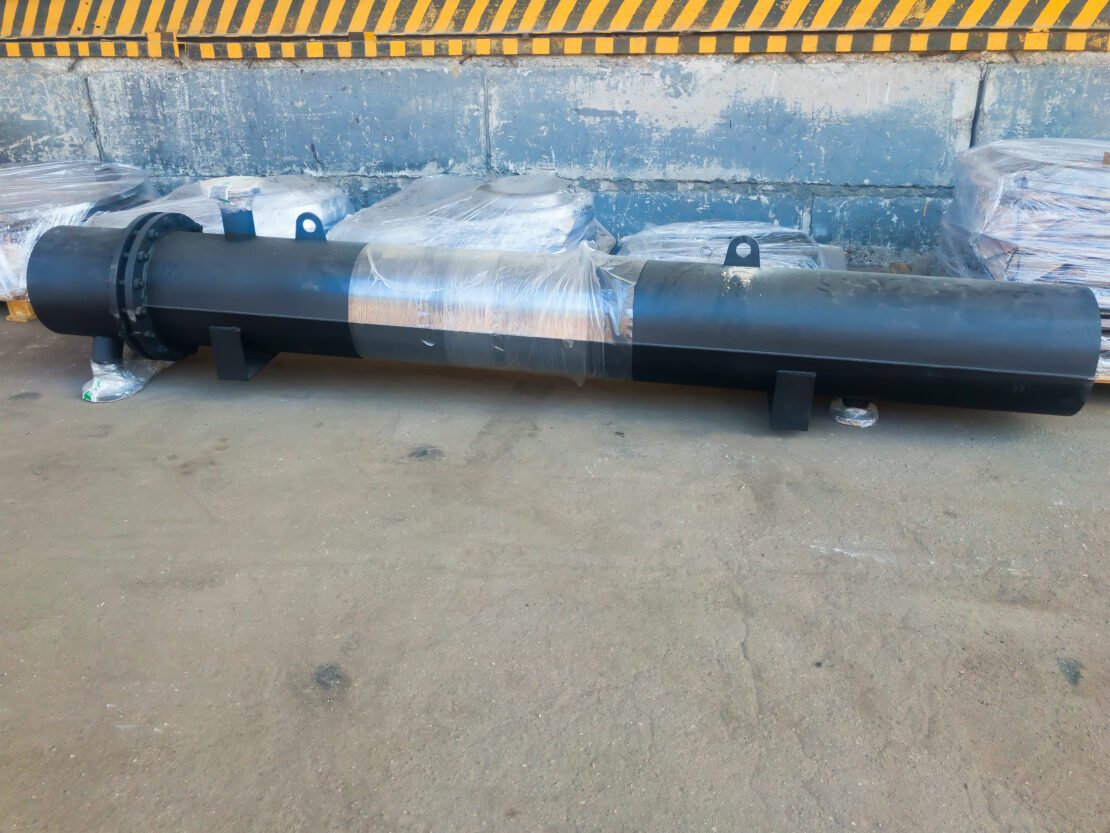
Line heaters help keep gas streams above the temperature at which hydrate formation occurs. They’re usually placed near the start of the pipeline. A fuel, often natural gas, is used to heat the transfer medium, typically water mixed with additives, and the gas being piped is passed through this.
Screw plug heaters and flanged heaters are other methods of heating pipelines and their contents, though they require power near the installation site.
Benefits
Higher temperatures prevent hydrate formation, so heating is an effective prevention method. Electrical heating methods have the added advantage of controllability and can be turned on only when needed.
Limitations
Three limitations of line heaters are the cost of installing them in remote locations, the cost of running them, and the limited range over which they are effective. Insulation can extend the distance over which the gas is warm enough to avoid hydrate formation, but this requires additional up-front investment along with periodic inspection and maintenance.
Dehydration Equipment

Removing water from the gas stream prevents hydrate formation, which can be achieved by passing it through dehydration equipment.
The most widely used method is liquid triethylene glycol (TEG), which absorbs the water (and some methane), and is then heated to release water vapor.
Three other dehydration technologies are molecular sieves, silica gel, and calcium chloride towers. The sieve approach uses a crystalline aluminosilicate that adsorbs water and must then be dried. This typically requires two beds: one for adsorption and the other for regeneration. Silica gel works similarly, while calcium chloride towers pass the gas through solid CaCl₂ pellets or flakes, which absorb the water to form brine.
Benefits
TEG achieves high levels of dehydration at a reasonable operating cost, but the systems are complex and expensive. The same applies to the silica gel method.
Molecular sieves are very effective dehydrators, yielding the driest gas. Calcium chloride towers have lower operating and installation costs, but are a less effective dehydrating technology.
Limitations
Dehydration is a complex method that requires space and significant operating costs. Additionally, calcium chloride produces brine that needs to be disposed of.
Methanol Injection Systems
Methanol injection is the most widely used approach for preventing hydrate formation. In this method, methanol gas is injected into the gas stream, where it dissolves into any present water. Water in the pipeline, along with the dissolved methanol, is separated from the natural gas at slug catches, separators, and knockout drums.
Benefits
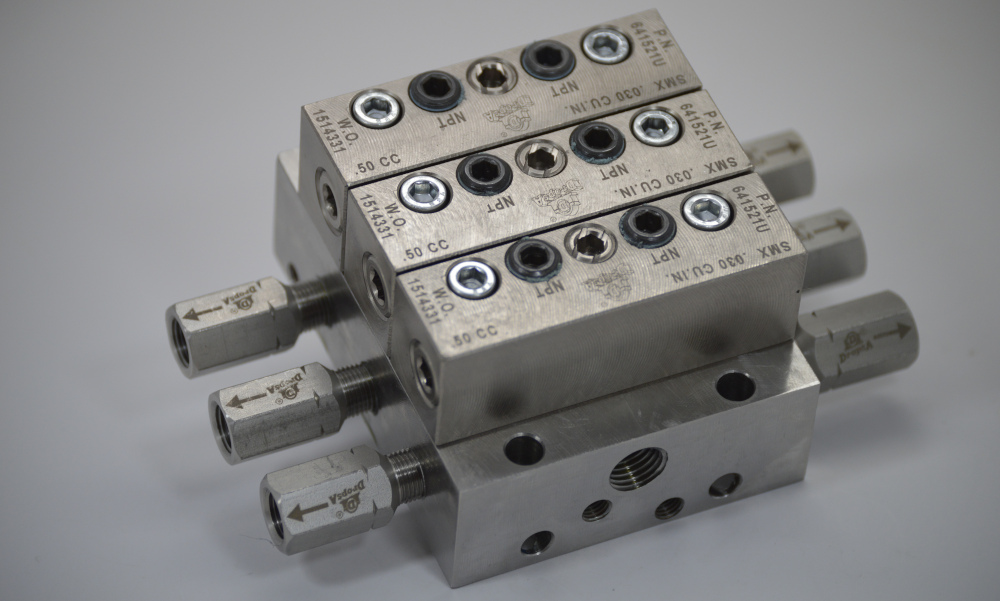
Methanol injection is highly effective at preventing hydrate formation over long distances, unlike the other approaches. It also doesn’t require complex and expensive equipment. With the methanol approach, all that’s needed are tanks, pumps, splitter valves, and injection points.
Limitations
Methanol injection is still the most effective method, but there is a significant limitation: it will be an ongoing expense that must be budgeted for. Methanol can also impact the performance of certain pipeline corrosion inhibitors. Accordingly, corrosion prevention methods should be considered when implementing a methanol injection system.
Prevent Hydrate Formation With DropsA
DropsA is proud to introduce our newest offering: methanol injection splitter valves. These injectors meet the needs of modern gas pipelines and are available for two to six-way operation and at pressures up to 4,000 PSI (276 bar).
Methanol injection systems are a natural extension of the lubrication solutions we’ve offered since 1946. In addition to our extensive product range, we offer training, installation, and consulting services. Visit our website to learn more about our new methanol injection valves, or contact us today to speak with one of our experts.