Common Applications
Bottling Machines
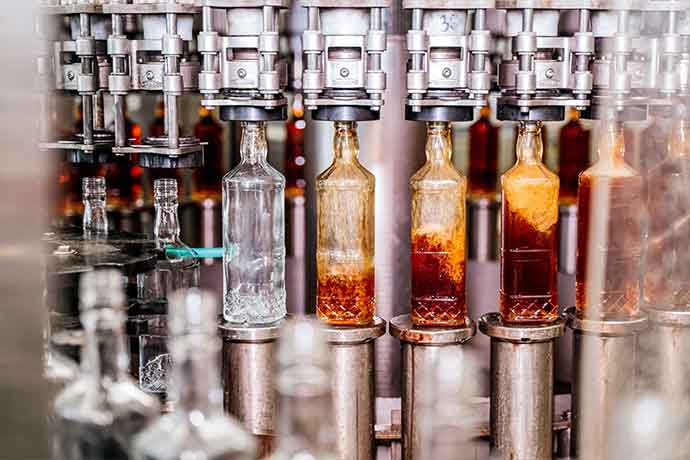
Bottling machines play a crucial role in the food and beverage industry by automating the process of packaging liquids into bottles or containers. These machines efficiently handle tasks such as filling, capping, labeling, and packaging. Maintenance and lubrication are vital to ensure smooth operation and increased longevity, which are essential for delivering high-quality, consistent, and safe products to consumers in the food and beverage sector.
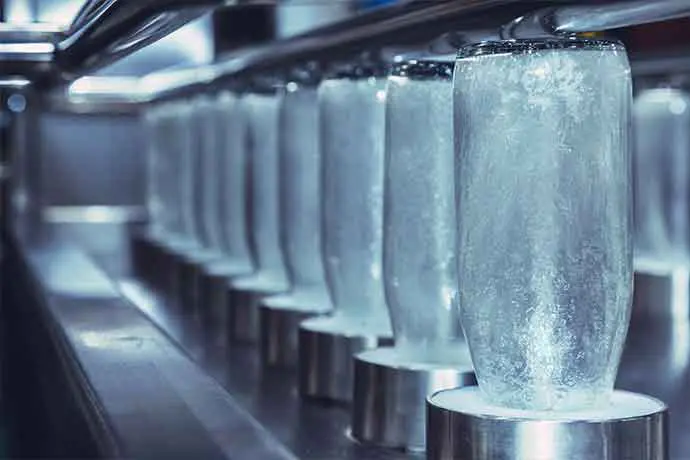
Washing Machines
Washing machines in the food and beverage industry are essential for cleaning and sanitizing various equipment, containers, and utensils used in food production and processing. Properly cleaned equipment prevents cross-contamination, maintains product quality, and upholds safety standards. Regular maintenance, including lubrication, is crucial to keep washing machines in optimal condition, ensuring efficient and effective sanitation processes in the food and beverage industry.
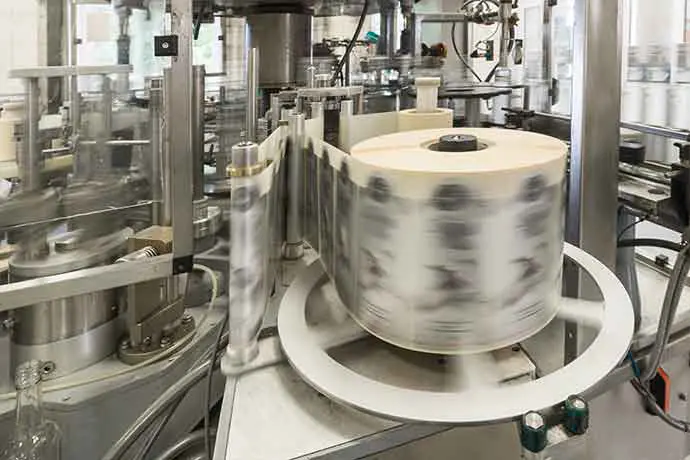
Labeling Machines
Lubrication plays a critical role in labeling machines used in the food and beverage industry. It helps reduce friction, maintain consistency, prevent contamination, extend machine life, meet regulatory requirements, enhance efficiency, and ensure the overall reliability of the labeling process while adhering to food safety standards.
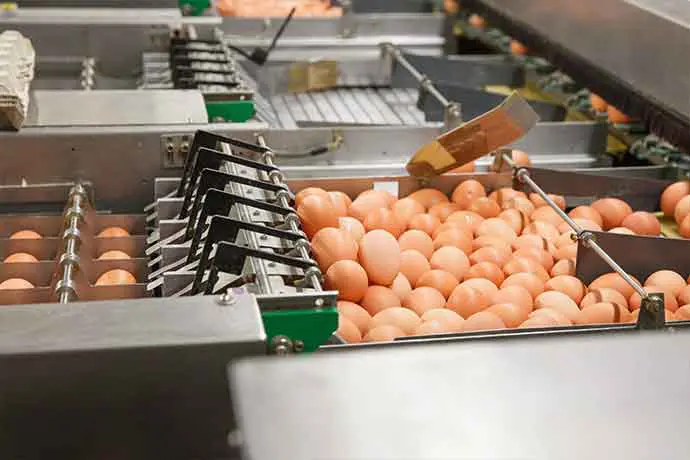
Sorting Machines
In the food and beverage industry, lubrication in sorting machines by reducing friction among moving components, ensuring hygiene through the use of food-grade lubricants, and preventing corrosion in moisture-prone environments. Regular lubrication minimizes downtime, optimizes sorting accuracy and productivity, and helps machines meet strict regulatory standards. It also enables technicians to monitor and maintain the equipment effectively, contributing to reliable and efficient sorting processes while maintaining the safety and quality of products.
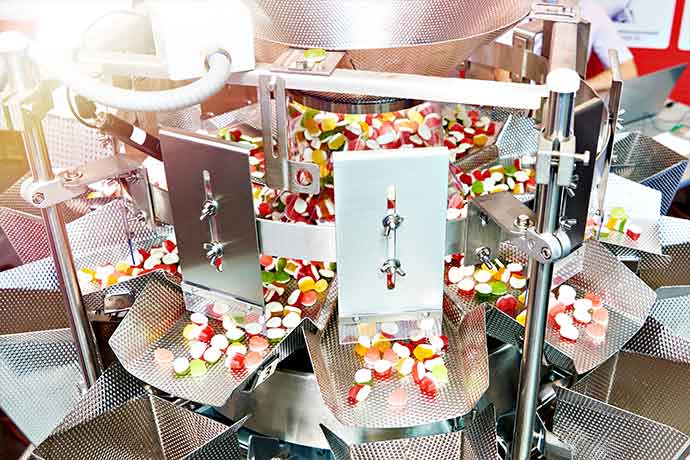
Filling Machines
Lubrication in filling machines ensures smooth operation. Lubrication reduces friction among various moving parts such as pumps, valves, and conveyor systems, lubrication minimizes wear and tear, extends machine life, and maintains production efficiency. Food-grade lubricants are essential in order to prevent contamination.
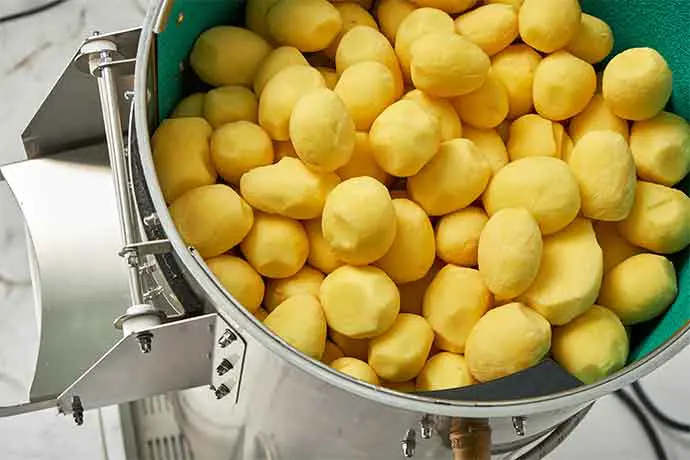
Peeling Machines
Peeling machines in the food and beverage industry are essential for automating the peeling process of various fruits and vegetables. They enhance efficiency, reduce food waste, ensure hygiene and food safety, provide consistency in peeling, and require regular maintenance and proper lubrication to operate effectively while meeting industry regulations.
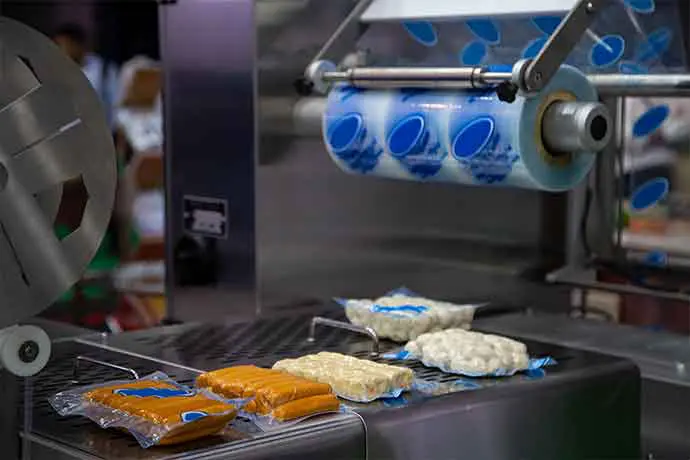
Packaging Machine
Lubrication in packaging machines is essential for reducing friction, preventing wear, and ensuring smooth, efficient operation. It helps dissipate heat, extends machine life, and reduces noise. Proper application of the right type of lubricant is crucial, with considerations for environmental impact in some cases. Ultimately, lubrication is integral to minimizing downtime and maintenance costs while maintaining product quality in the packaging industry.
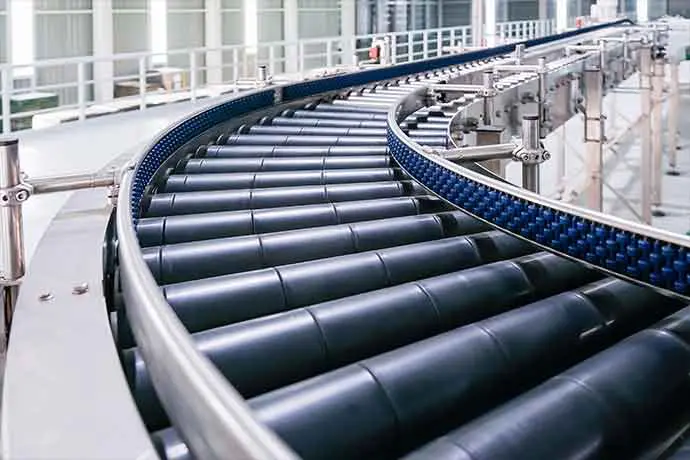
Conveyors
Lubrication is employed in conveyors to facilitate smooth and efficient material transport. It involves applying lubricants, typically oils or greases, to key conveyor components, such as rollers, chains, and bearings, to reduce friction, prevent wear and tear, dissipate heat, and extend the conveyor system’s lifespan. Proper lubrication ensures reliable operation, minimizes downtime, and reduces maintenance costs in conveyor systems.